Our 2026 Speakers
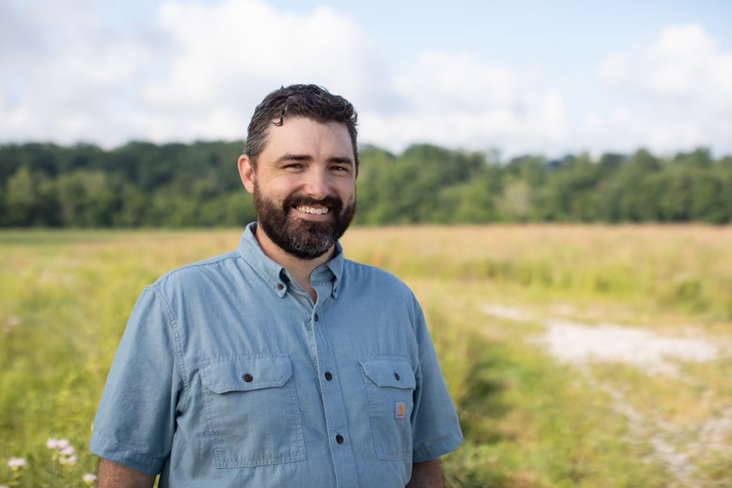
KEYNOTE SPEAKER
Dwayne Estes, PhD
Co-Founder & Executive Director, Southeastern Grasslands Institute, Austin Peay State UniversityFrom Native Plants to Native Ecosystems: Rewilding Tennessee's Communities
Growing up on a Tennessee cattle farm, botanist and conservationist Dwayne Estes developed a lifelong connection to the land. Through stories, photographs, and restoration successes, he explores how native plants can rewild landscapes, support biodiversity, reconnect people with nature, and inspire community-driven conservation across Tennessee and the Southeast.
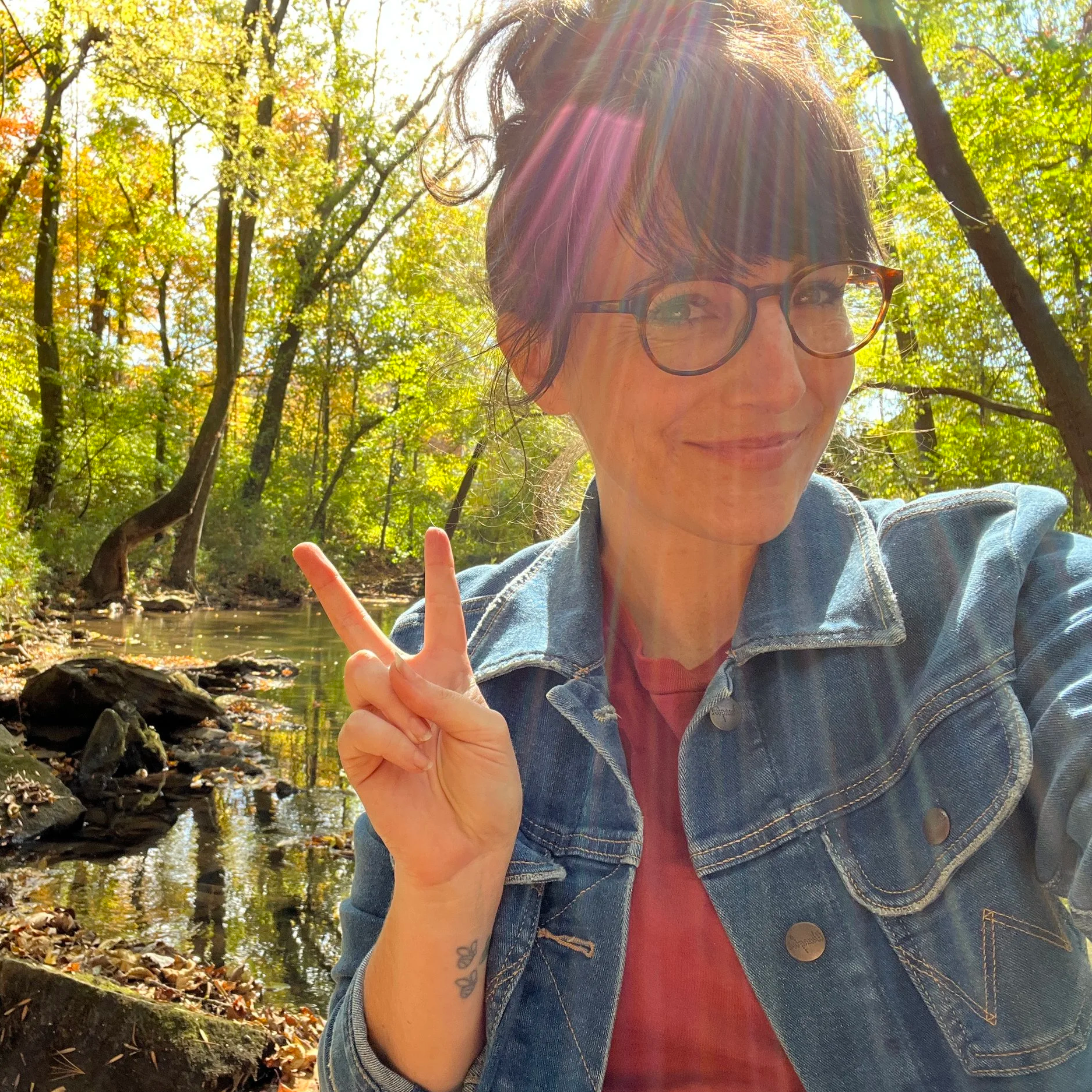
Marie Campbell
Community Engagement Director, Harpeth ConservancyNative Plants for Clean Water & Healthy Rivers
Native plants like phlox, ironweed, and buttonbush play a vital role in protecting Tennessee’s rivers and watersheds. This presentation explores current threats to water quality and highlights how native plant communities support aquatic biodiversity, reduce pollution, and stabilize streambanks. We'll also share upcoming volunteer opportunities to restore and protect critical habitats in urban and suburban contexts!
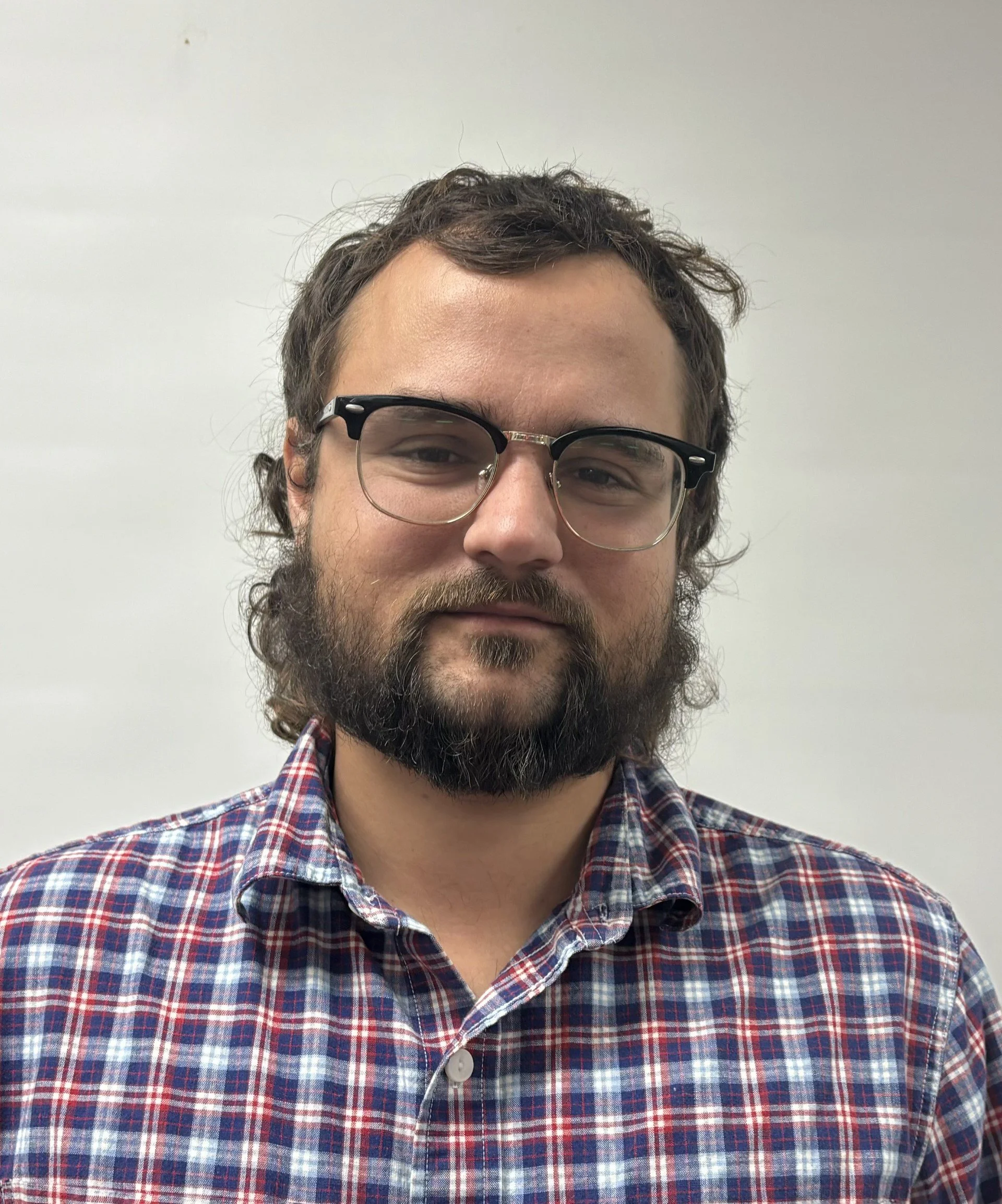
Holt Akers-Campbell
Regional Extension Agent, Commercial Horticulture, Alabama Cooperative Extension - Auburn UniversityHorticulture of Native Medicinals: Passionflower, Ginseng, Elderberry, and More
Cultivation of native medicinal plants—including elderberry, American ginseng, and passionflower—can support suburban rewilding while fostering respectful engagement with longstanding plant traditions. This session integrates ethnobotany, extension research, and field experience to provide practical, low-input strategies for establishing biodiverse, resilient plantings that enhance ecological function, community education, and human well-being.
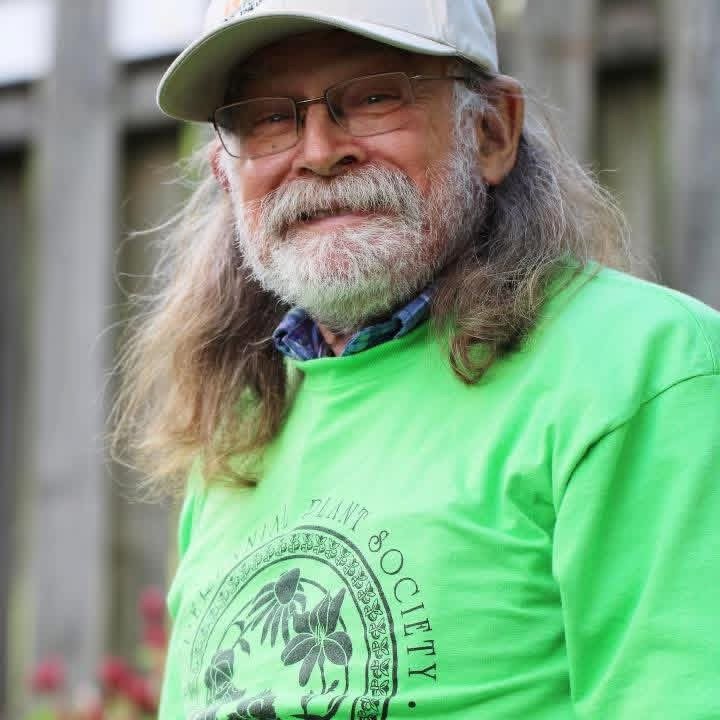
Paul Prill, PhD
Tennessee Naturalist & Wild Ones Middle TN Board MemberMitigating the Effects of Climate Change
We assume that climate change is inevitable, and we worry that we can do little to nothing to stop it. We will explore ways that plants adapt to climate change as well as identify specific changes we can make in our gardening tasks to assist that adaptation.
Hilary Swaim
Director of Education & Outreach, Cheekwood Estate & GardensPlant with Intention: An Ecological Design Framework for Middle Tennessee Landscapes
You're committed to native plants. Now what? This session moves beyond species lists into ecological design thinking, introducing a framework for building native plant communities that are responsive to your specific site conditions, and goals. After a brief primer on the latest naturalistic planting research, participants will explore a curated native plant palette tool to confidently select the right plants for their sites.
Tolani Abari
Nashville-based youth climate advocate & Brooklyn Heights Community GardenPracticing Biodiversity in your Home
To teach other people in my community about Tennessee native plants and how they affect our ecosystems. I also aim to bring awareness to how urban communities can plant their own native seed species in neighborhood gardens.
Maureen May
Master Gardener, Tennessee Naturalist, and Founder of Second Sunday GardenersA neighborhood garden group with no formal affiliation is transforming a small Nashville Park into a haven of ecological restoration and natural landscapes. Replacing invasive species with natives, they have created Pollinator Gardens, a Food Forest, and a Soft Landing, with educational signage to help homeowners use natives in their own yards.
BIG HABITATS in a SMALL PARK
Michael Belcher
Restoration Ecology Advocate & Founder, Bellevue Neighborhood Planting ProjectRewilding our Diet: Using Native Plants for Community Food Resilience.
An overview of the native perennial greens, roots, fruits, and nuts that can be used to supplement community food resources in lean times. This presentation will cover community building, cultivation and foraging of native foods, mapping and distribution of edible natives, and the average nutrient density of commonly found plants.
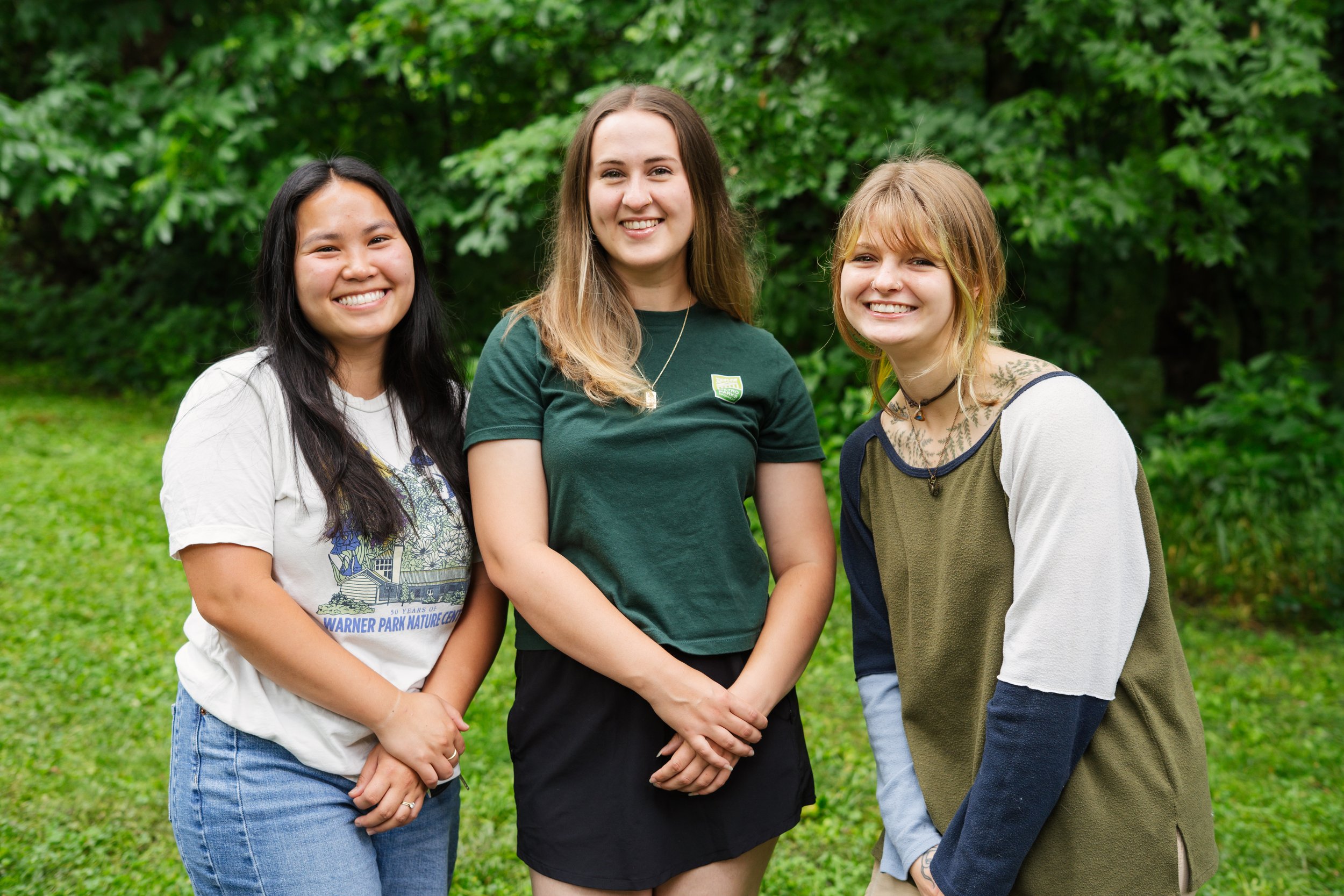
Anna Isaacson, Kayleigh Winston, and Elyse Dilks
Naturalists and outdoor educators, Warner Park Nature Center & Friends of Warner ParksWhat's All the Buzz?: A Native Pollinator Garden Story
The Nature Discovery Program serves to create access to nature for Nashville youth in their local communities through the installation of native pollinator gardens at Metro Parks Community Centers.
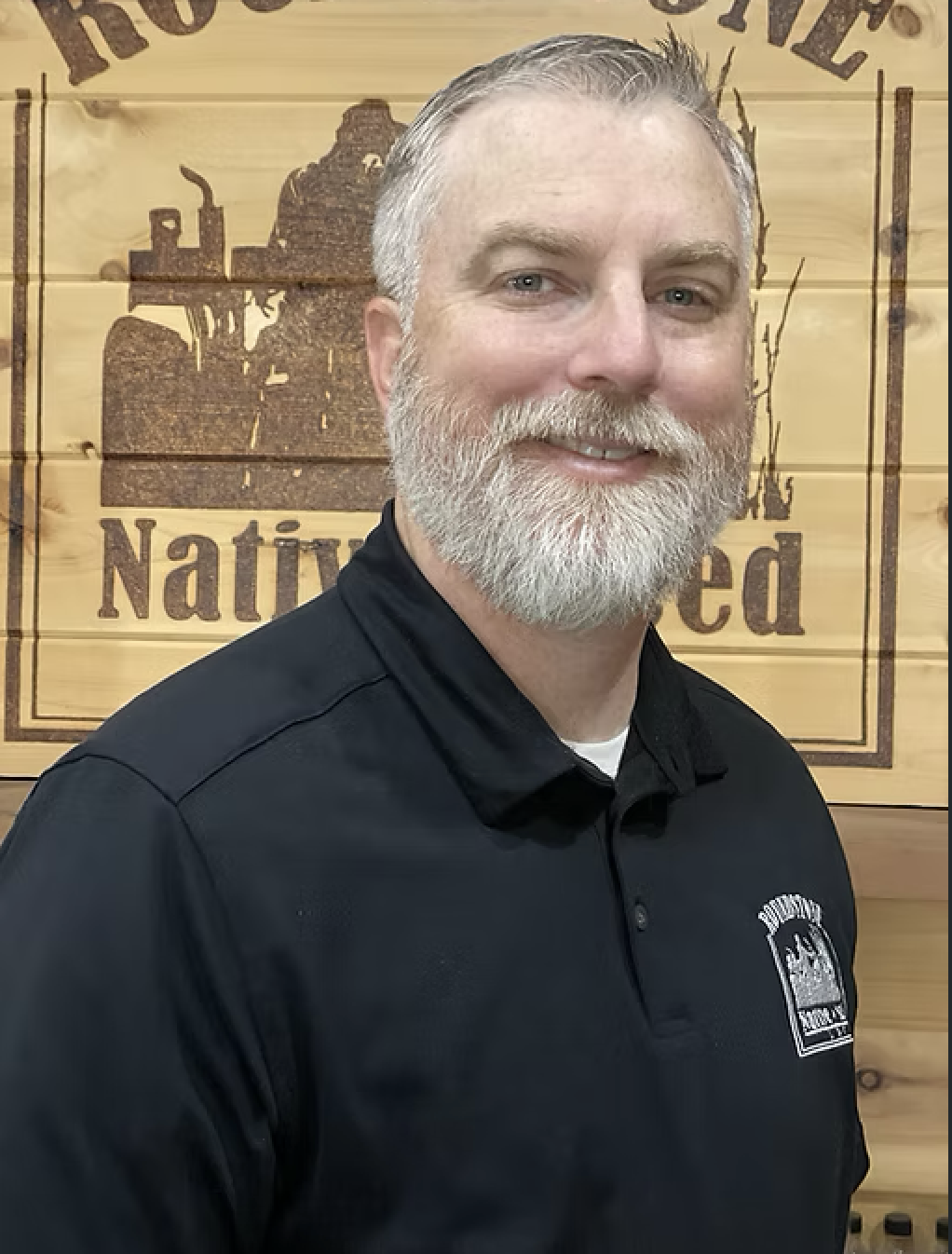
Robert Hoffman
Roundstone Native SeedYou are Planting Weeds. How Hard Can It Be?
Learn about site preparation and installation techniques for a successful native seeding project in urban and suburban landscapes. Discover common pitfalls and ways to mitigate negative public response to your rewilding project.
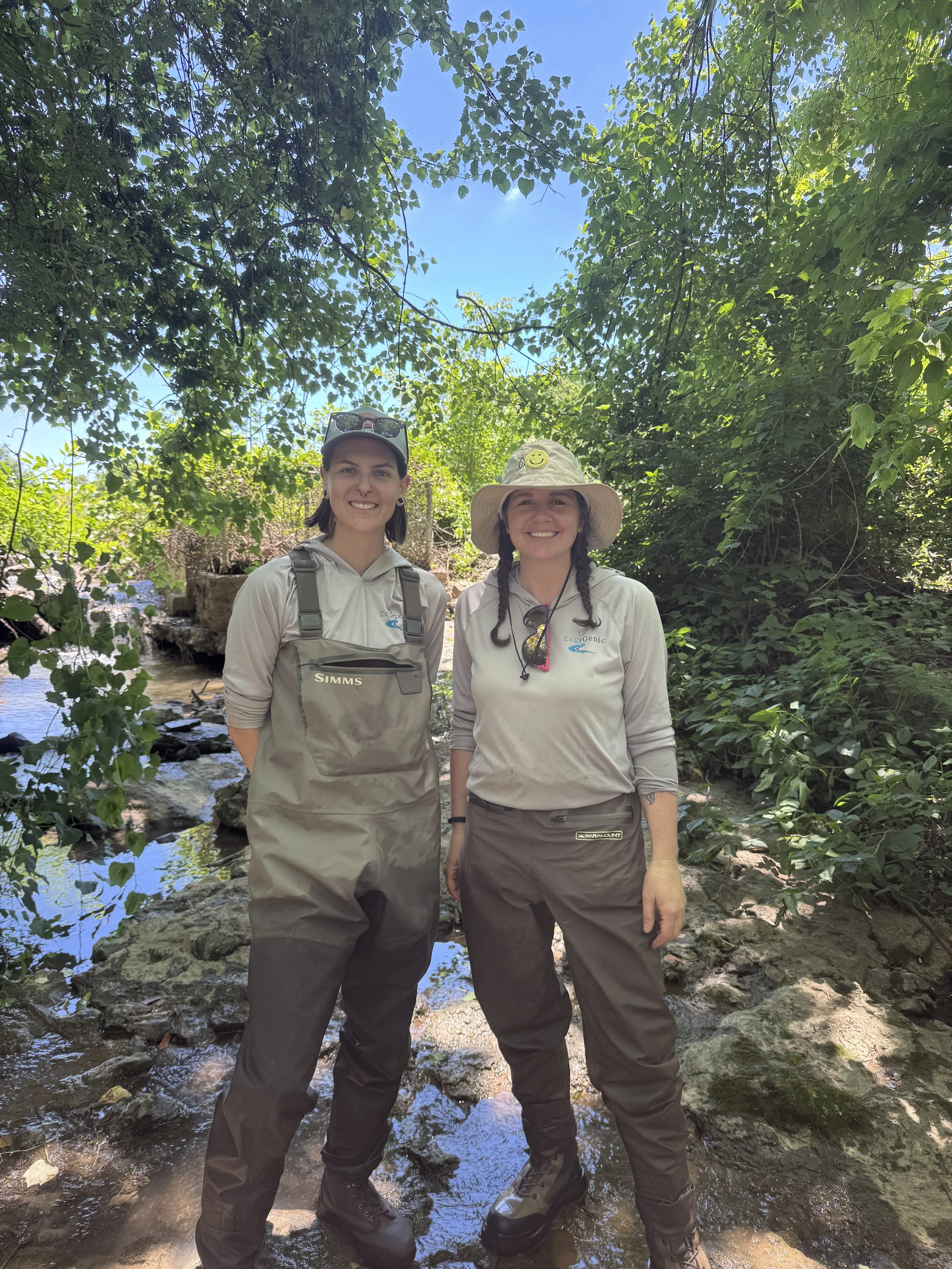
Angel Fowler
Partner & Environmental Scientist, EcoGenicDelaney Nelson
Environmental Scientist, EcoGenicUrban Restoration in Practice: Designing Vegetation Establishment with Historical and Ecological Insights
This presentation will highlight initial planning for a project located in Green Hills Park (Metro Nashville) and discuss the current path to deciding the appropriate restoration approach.
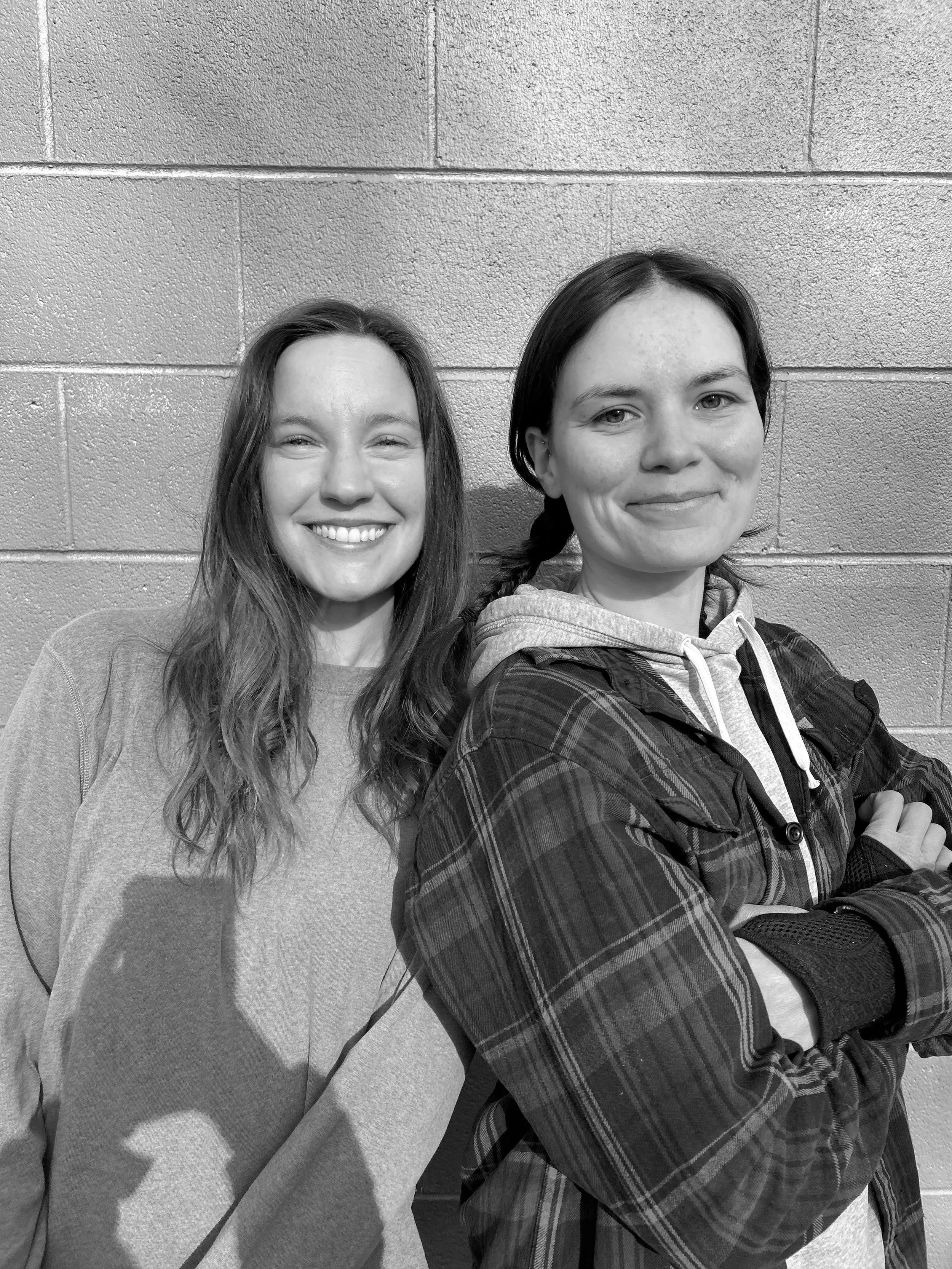
Rosy Harpe
Conservation Manager, WaterWays
Isabelle Legrain
Watershed Project Coordinator, WaterWays
Rooted Advocacy: Native Plants for Watershed Conservation
We will highlight the successes of native plant function in watershed conservation via completed projects through our water quality non-profit. Projects include DIY streambank repair workshops, residential stormwater mitigation programs, native plant rescue program, green infrastructure installations, and an urban pocket forest project.
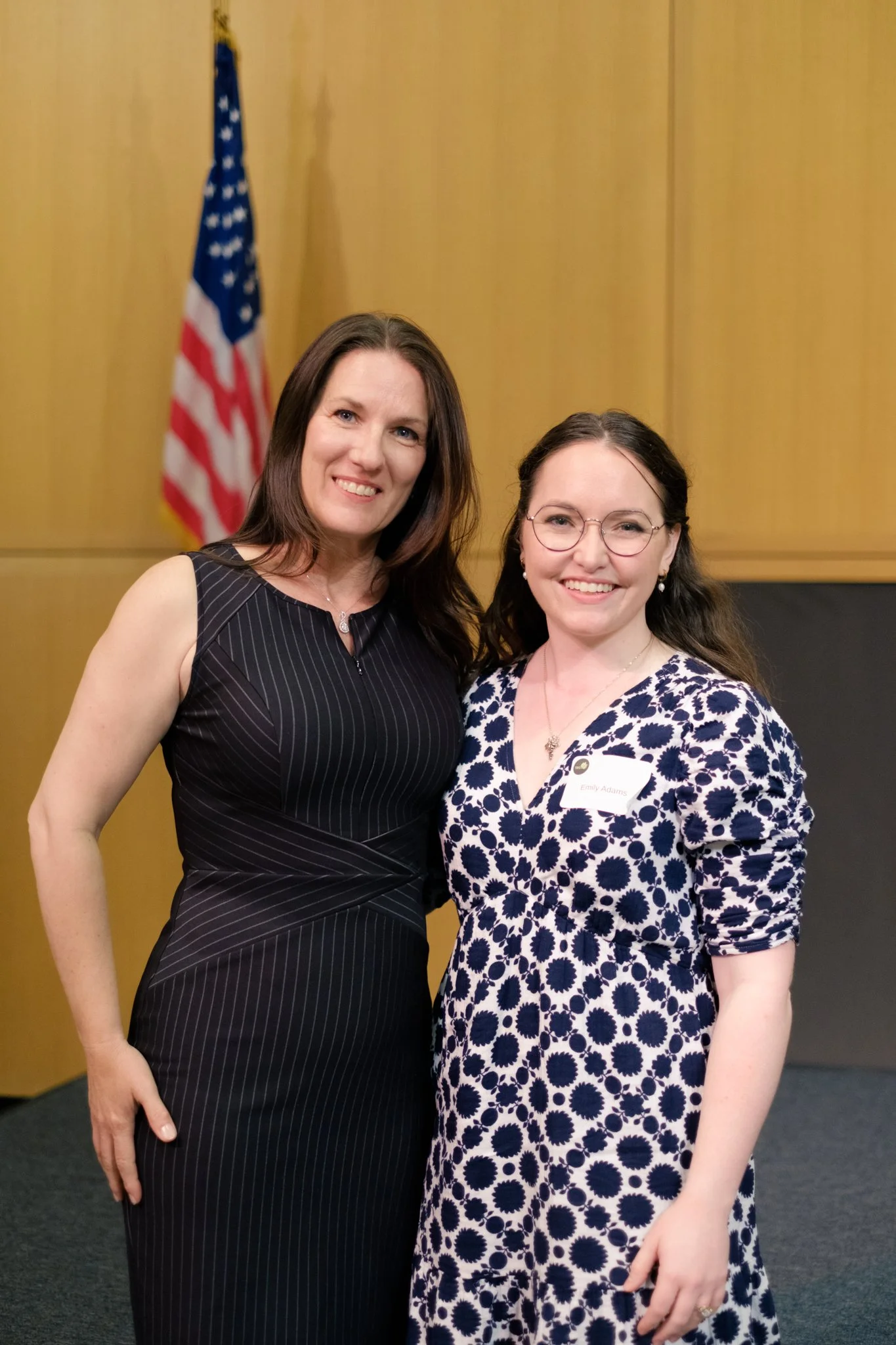
Emily Adams, PhD
Professor, Lipscomb UniversityMonika G. Pretz, PhD
Staff Biologist & Pollinator Program Director, Tennessee Environmental CouncilBringing the Buzz Back to Nashville: Bee Communities in Restored Native Wildflower Habitats.
This comparative research study examines the presence of bee communities in native flower gardens in the Nashville Metropolitan Area of Tennessee. Focusing on taxonomy and plant–bee interactions, the research evaluates how restored wildflower habitats support pollinator diversity and interaction networks in human-dominated landscapes.
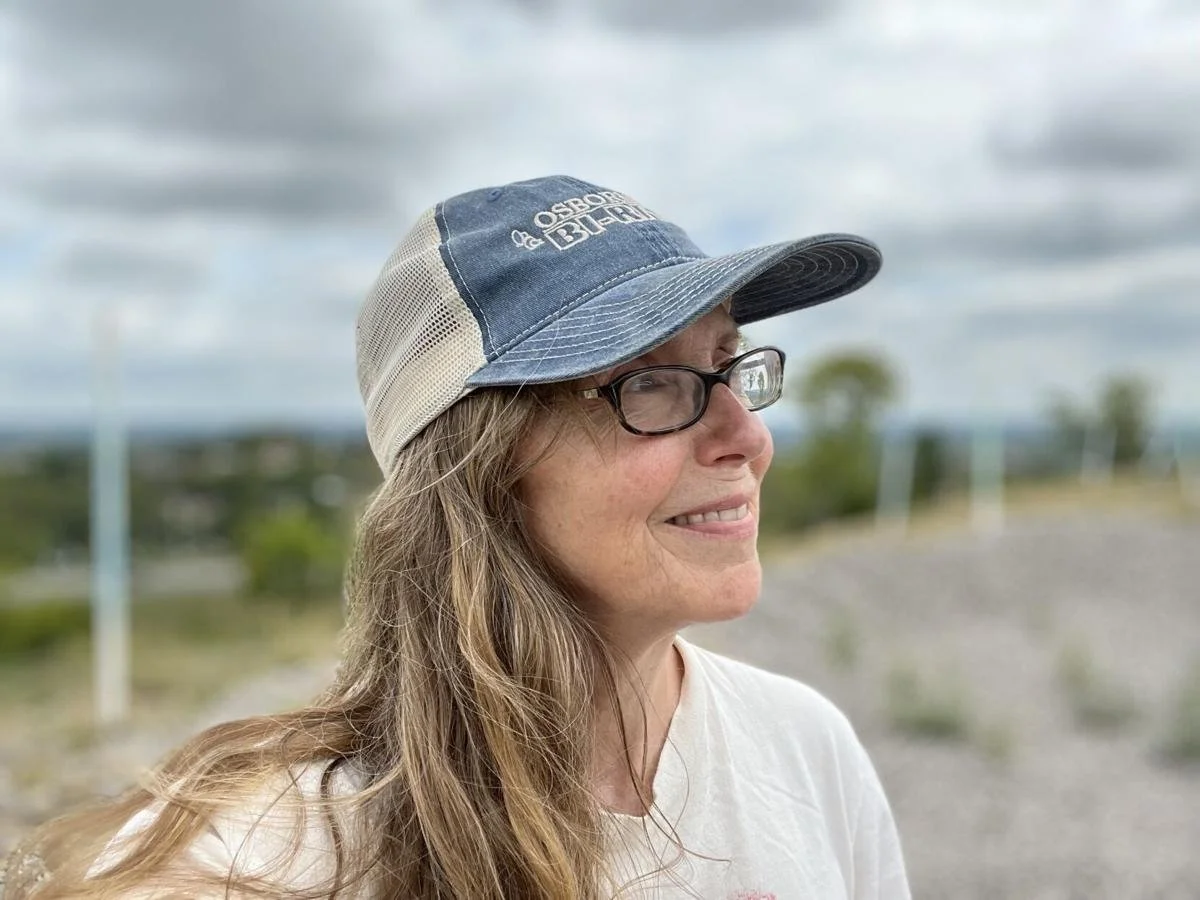
Joanna Brichetto
A five minute shout-out to highlight one of the plants in our NNPS logo: Frostweed / White Wingstem / Verbesina virginica as host plant to Silvery checkerspot and Summer azure, but also as a nectar and pollen source to various insects, as a foodbar for predators, as a seed bar for fall/winter birds, as stems for nesting bees the next spring, and as a source of beauty (and water) when it makes “frostflowers” during the first few killing freezes in fall. I have photos of all.
Author & Tennessee NaturalistFive Minutes with Frostweed
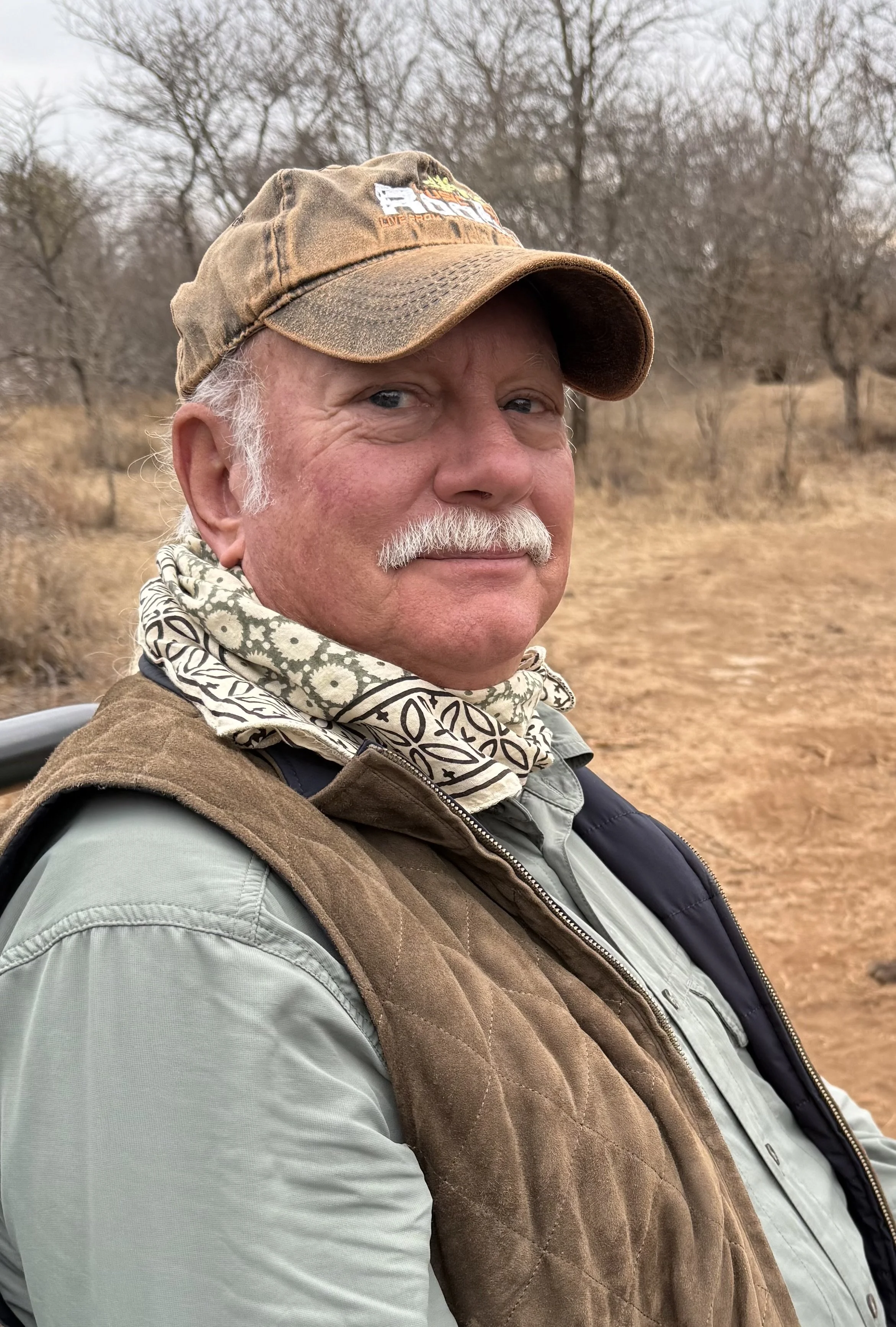
Mike Berkley
Co-owner, GroWild: TN Native NurseryThree Decades of "Wild"
Native plant applications are as diverse as the species themselves. We now know that these plants can be designed and installed in rain gardens, green roofs and parks. More importantly, they perform perfectly in suburban landscapes.
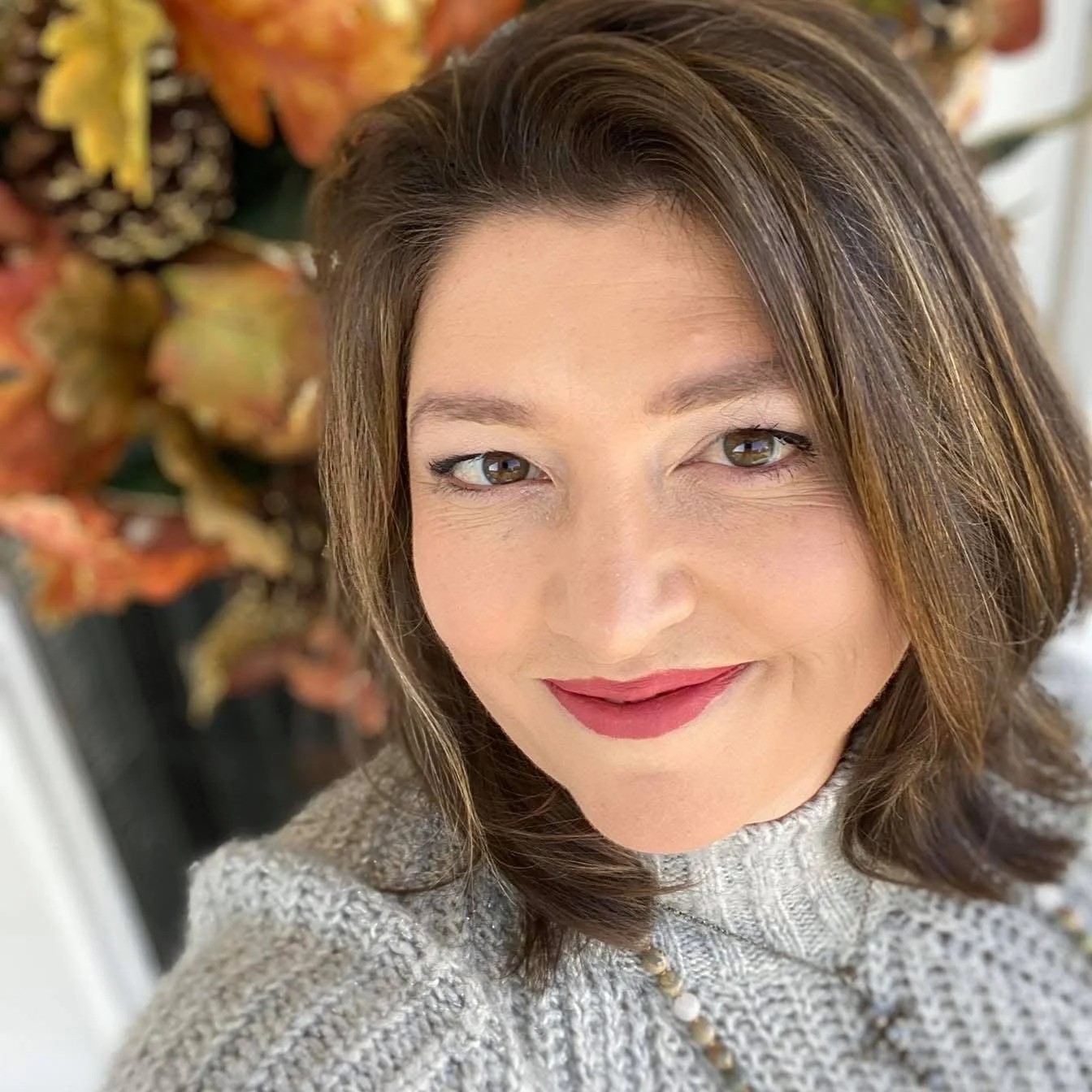
Nicole Wright
Empowered HerbalismMedicinal Landscapes: Designing Native Yards that Heal Place and People
When we design yards for habitat, resilience follows. This session explores native and naturalized plants that support pollinators and soil health, teaches ethical harvesting practices, and demonstrates simple herbal preparations including tea, tincture, infused oil, and salve.
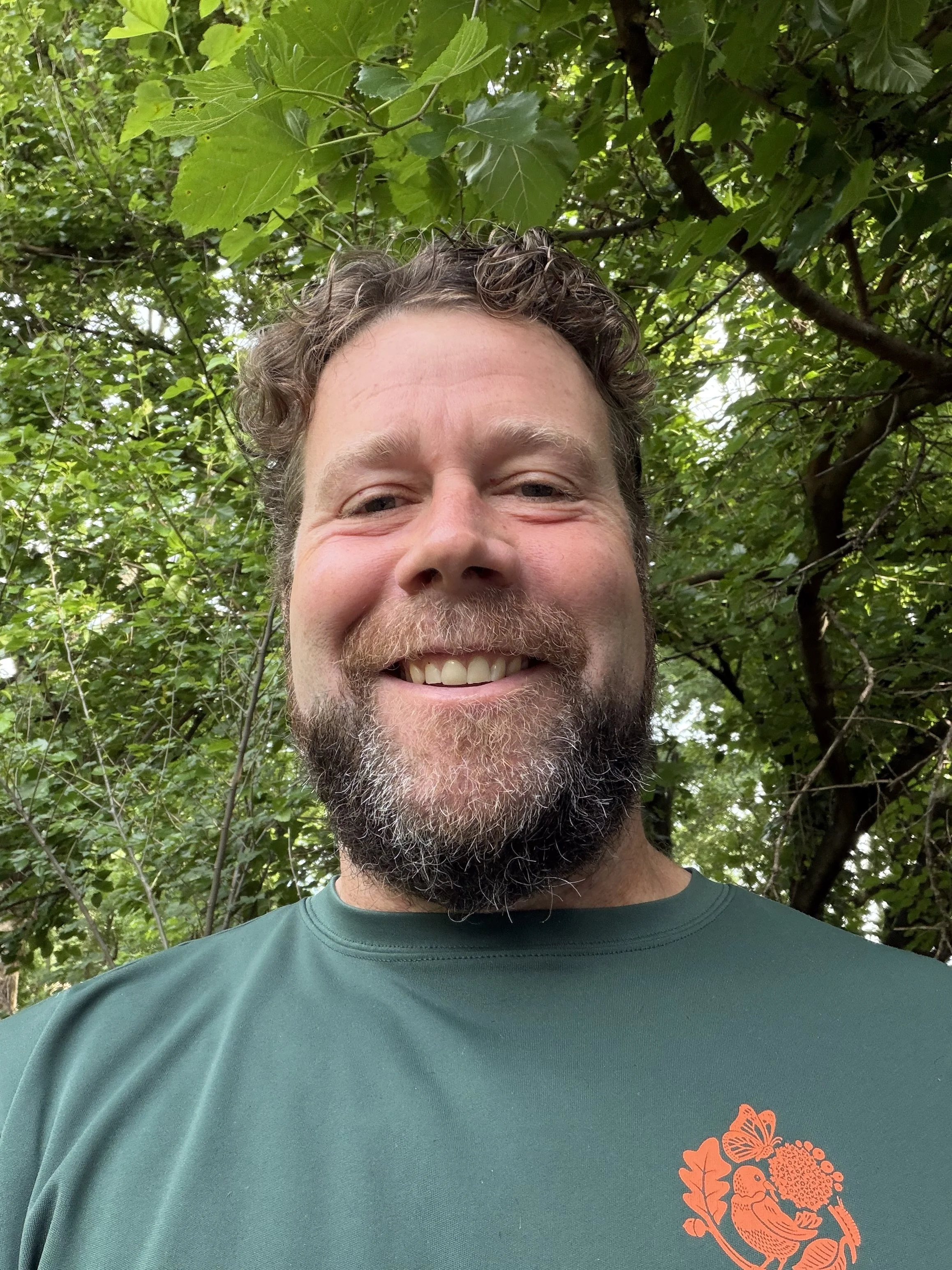
Ivan Chester
This session advocates for people to remove their turf lawn and install a no-mow meadow. It will provide information about Metro Nashville's intentional guidelines for vegetative growth. a program that lets you keep your no-mow meadow through neighbor calls to Codes.
Owner, Habitat LandscapesNo-Mow Lawn: Transform Your Lawn into a Thriving Habitat
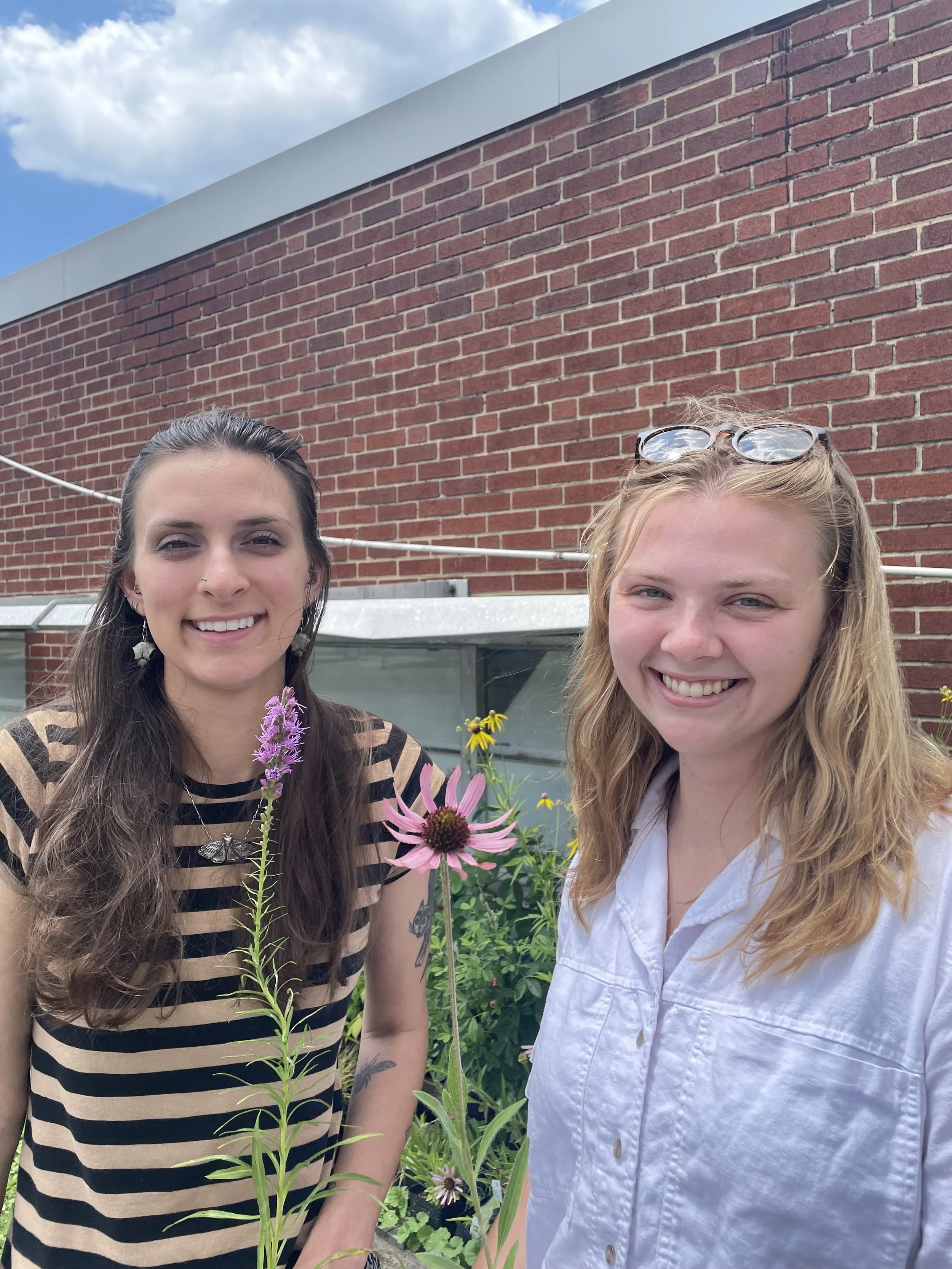
Erin Duffy
City of ChattanoogaEmma Boice
We will discuss the City of Chattanooga's programs that rewild suburban spaces through our native plant reimbursement program, RainSmart, which is an excellent resource for those who wish to plant natives in their yard and in return decrease their stormwater fee. In our Parks Dept, we are working to restore 5 native grasslands in partnership with SGI, Southeastern Grasslands Institute. Combined, these two initiatives help meet the goals of reducing stormwater runoff and improving the quality of our local ecosystems.
City of ChattanoogaWhole Community Restoration